
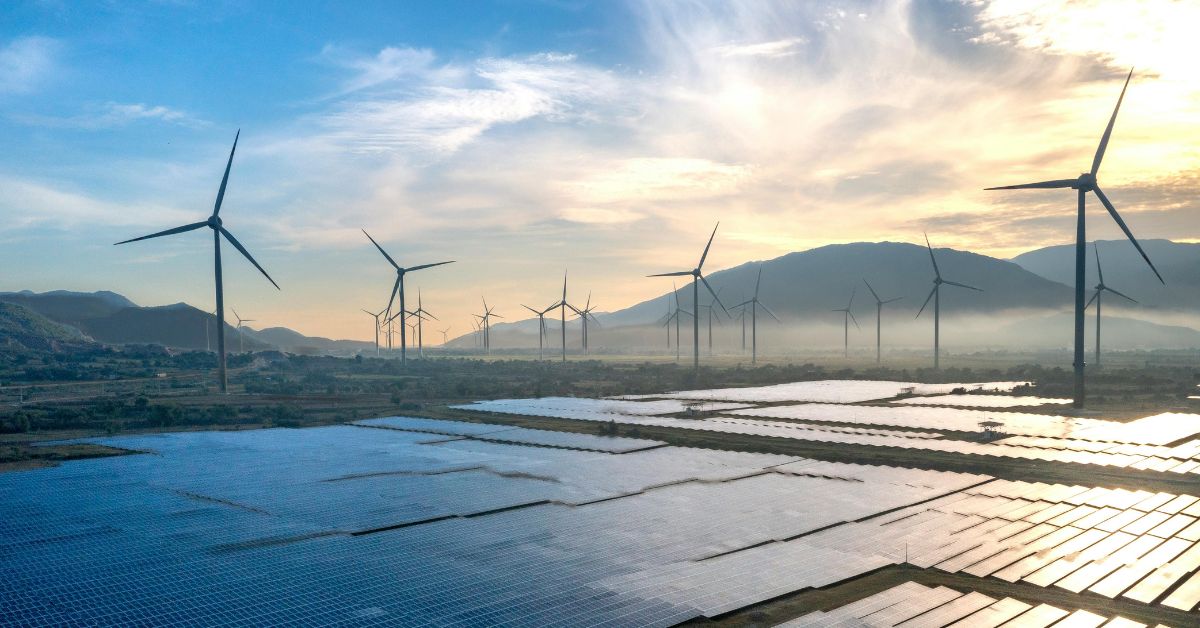
Somewhere along the way, "eco-friendly" became synonymous with "expensive." Solar panels. Smart thermostats. Geothermal heating. Passive house design. These things are real, and they're great — but they've created a misconception that sustainable living is a luxury.
It isn't. And if you're buying a home with environmental values in mind but a real-world budget, there's more within reach than you might think.
Here's how to find it.
Shift the Frame: Efficiency Over Aesthetics
The greenest home isn't necessarily the one with solar panels and a living roof. It's the one that uses the least energy to do what a home needs to do — heat, cool, light, and shelter the people inside it.
That reframe matters, because efficiency is often invisible. A well-insulated 1970s ranch house can outperform a flashy new build with granite countertops and a single-pane sunroom. When you're shopping on a budget, you're looking for bones, not bells and whistles.
What to Look For
Insulation and Air Sealing
This is the unglamorous heart of a green home. A house that holds its temperature — that doesn't bleed heat in winter or let cool air escape in summer — will cost far less to operate and far less to carbon. Ask sellers about insulation type and age, and look for drafts around windows, doors, and outlets during your showing.
An energy audit (typically $200–$500) can tell you exactly where a home is leaking. Many utility companies offer them free or subsidized. It's one of the best investments you can make before closing.
Windows
Single-pane windows are a red flag. Double-pane is the baseline. If the home you love has older windows, price out replacements — they're a negotiating point, and many states offer rebates that offset the cost significantly.
Heating and Cooling Systems
How old is the HVAC? A system more than 15 years old is likely inefficient and approaching the end of its life. A heat pump — especially in moderate climates — is dramatically more efficient than gas furnaces and central air combined. Factor replacement cost into your offer if the system is aging.
Water Heater
Traditional tank water heaters are energy hogs. Heat pump water heaters use roughly a third of the energy and have come down significantly in price. The federal Inflation Reduction Act (IRA) still offers tax credits for energy-efficient upgrades — check current eligibility when you're shopping.
Orientation and Shade
This one costs nothing to assess but pays dividends for decades. A south-facing home with good tree cover on the west side is passively cooler in summer and warmer in winter. It's a feature that doesn't show up in the listing but matters every month on your utility bill.
Lot Size and Location
Smaller lots in walkable neighborhoods are almost always greener than large lots in car-dependent suburbs — even if the house itself is newer and shinier. Transportation accounts for a huge share of most households' carbon footprint. A house near transit, bike lanes, or a walkable downtown isn't just convenient; it's environmentally meaningful.
The Upgrades Worth Doing After You Move In
If the home you can afford isn't perfectly efficient yet, that's okay. Some of the highest-return green upgrades are also the least expensive:
- LED lighting throughout — under $100, immediate savings
- Smart thermostat — $100–$250, pays for itself in months
- Low-flow showerheads and faucet aerators — under $50, significant water savings
- Weather stripping and door sweeps — under $30, surprisingly impactful
- Attic insulation — moderate cost, major impact, often rebate-eligible
Bigger projects — solar, heat pump HVAC, induction stove — can come later, especially as federal and state incentive programs continue to evolve. You don't have to do everything at once.
Ask the Right Questions
When touring a home, ask for twelve months of utility bills. Sellers are often willing to share them, and they tell you more about a home's efficiency than any feature in the listing. A $400 summer electric bill in a hot climate is a data point. A $90 one is a green home.
Ask your agent about the local utility company's rebate programs. Ask about green MLS designations in your market. Ask whether the home has had an energy audit. These aren't unusual questions — and an agent who can answer them fluently is an agent who's been paying attention.
The Bottom Line
A greener home on a budget is less about finding perfection and more about knowing what to look for — and knowing what's fixable. The right bones, the right location, and a willingness to invest in a few smart upgrades can get you most of the way there without a luxury price tag.
Your values don't have to wait until you can afford a solar array. They can start with a well-insulated house on a walkable street, where you barely run the heat.
Liberal Agent Realty Network connects environmentally-minded buyers with agents who know how to find efficient, sustainable homes at every price point.
Ready to find your blue dot?
Find a Liberal Agent near you